Our Projects
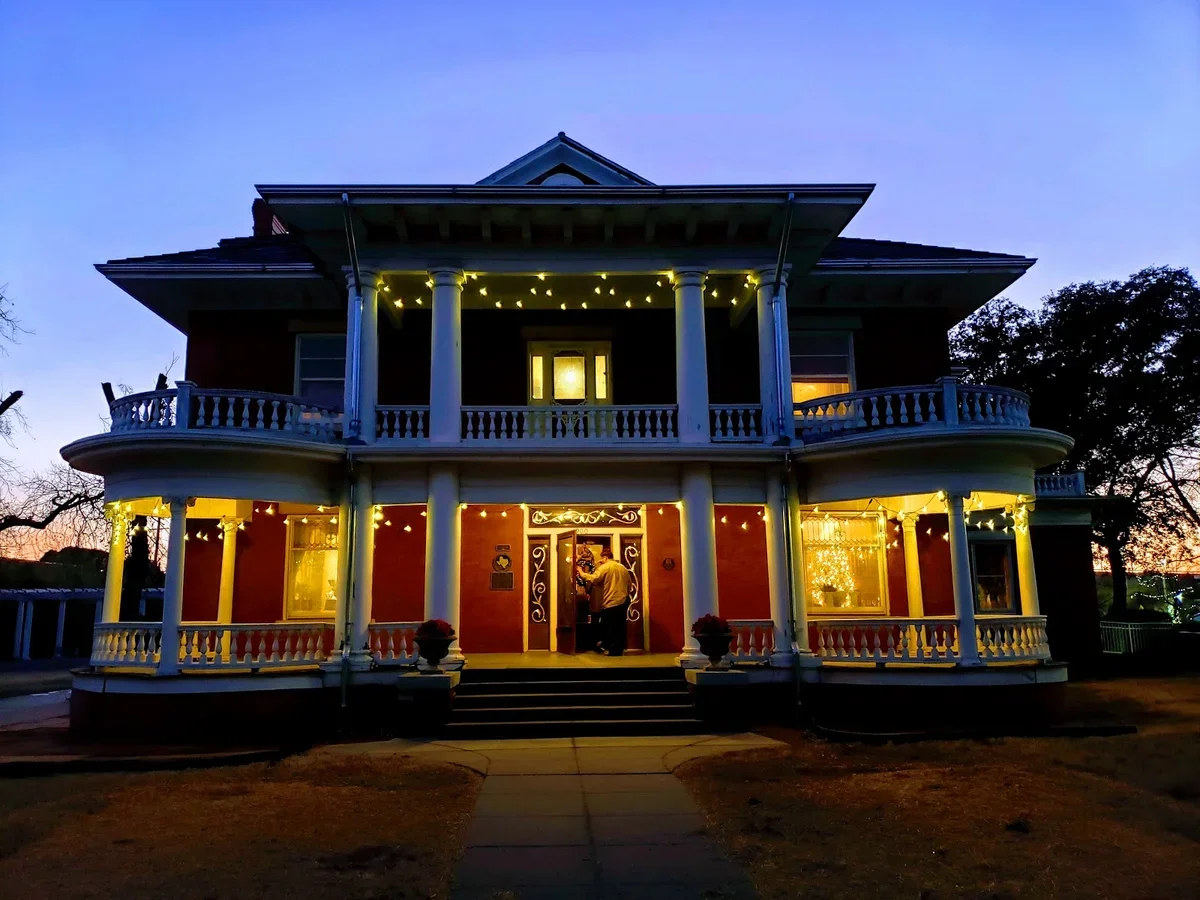
The Kell House
The Kell House is one of the most historically and architecturally significant buildings in Wichita Falls.
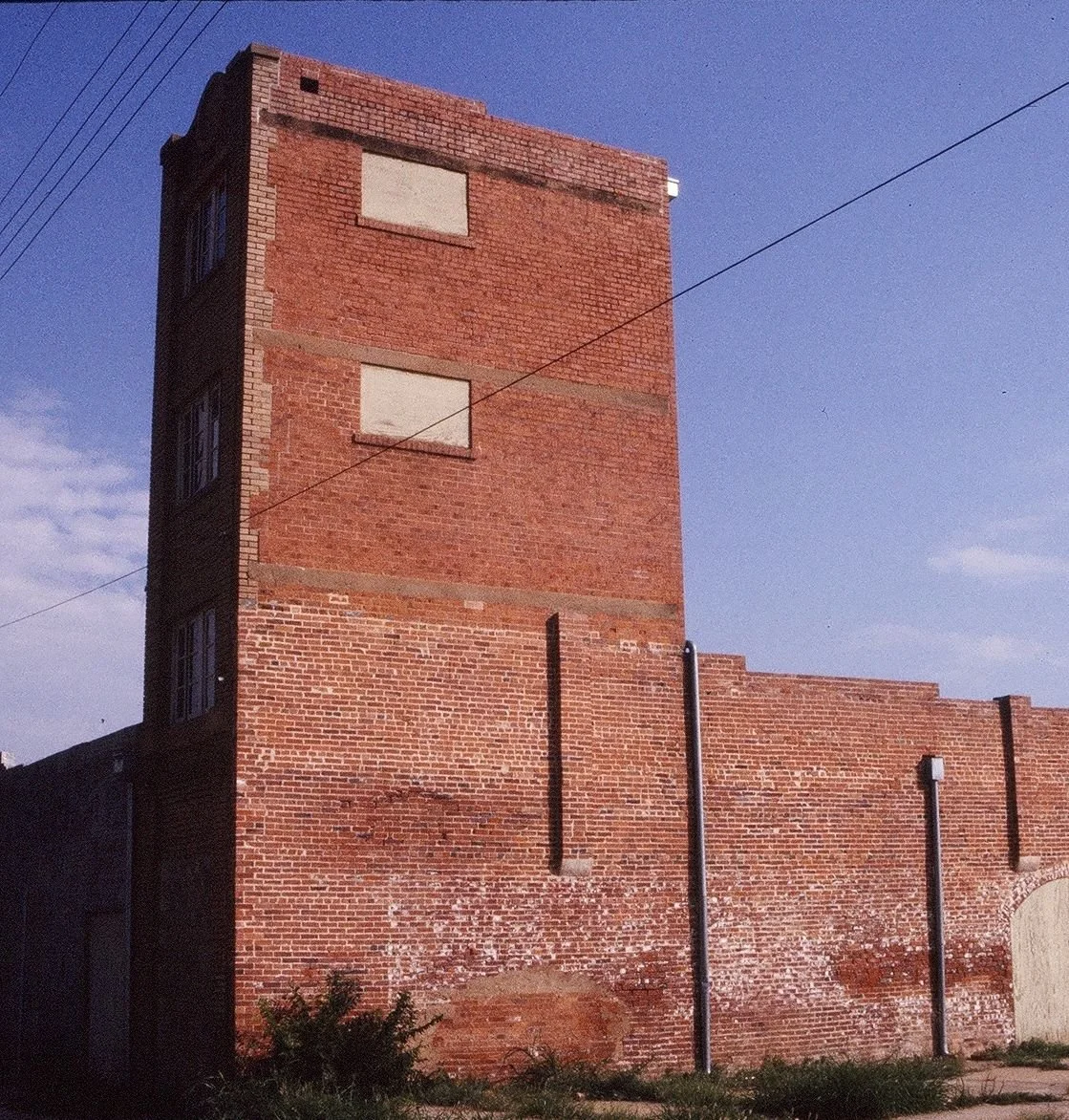
The Littlest Skyscraper
Built in 1919, the Newby-McMahon Building—better known today as the Littlest Skyscraper—was constructed by J. D. McMahon. Originally promoted as a towering addition to the city skyline, the blueprints famously listed the building’s height as 480 inches rather than 480 feet, resulting in one of the most unusual architectural stories in Texas.
Despite falling far short of expectations, the building served as office space for numerous local businesses over the years. It later faced repeated threats of demolition before the Wichita County Heritage Society acquired the property in 1986. Working with a local architectural firm, the organization stabilized and preserved the historic structure. After the stabilization work was completed, the building was sold back into private ownership, ensuring that this piece of Wichita Falls history would remain part of the city’s story.
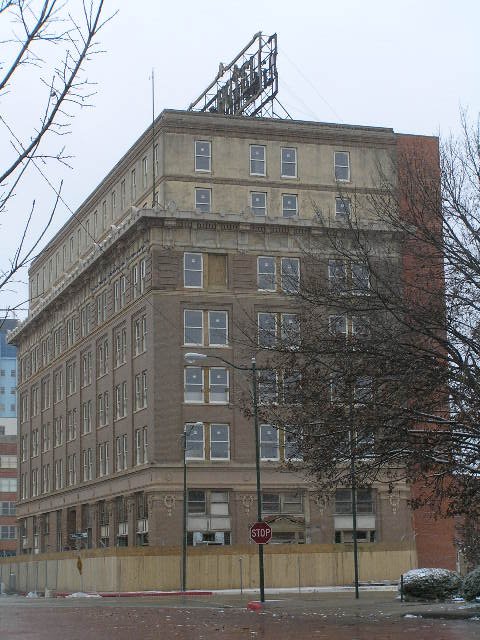
The Holt Hotel
City builders Joseph Kemp and Frank Kell needed a place to house their growing business enterprises. The Kemp-Kell building housed the City National Bank and many of the most important early business enterprises in Wichita Falls. The Kemp-Kell building was the first of many Skyscrapers to be built in downtown Wichita Falls.
As business interests grew in Wichita Falls, the building was sold in 1926 to George Holt, entrepreneur and hotelier and H.S Ford, theatre man. The bustling business boom created a tremendous need for hotel rooms. Holt and Ford turned the building into a state of the art hotel with parlors, suites, radios, and even conditioned air. Guests arrived in Wichita Falls by rail and walked to this beautiful modern landmark to enjoy the hospitality of Wichita Falls. Our community drew people from around the world, many seeking fortunes in the booming oil business. In its time the Holt played host to many notable guests, including Eleanor Roosevelt, then first lady of the United States, and even Sally Rand, the world famous fan dancer. The Holt became the center of social life in Wichita Falls.
Since the seventies, this historic landmark at the center of our historic district has been abandoned. Now it will have new life as a twenty-first century state of the art apartment complex and downtown retail space. The Wichita County Heritage Society has worked on the preservation of ththis landmark for new generation of Wichitans to enjoy.
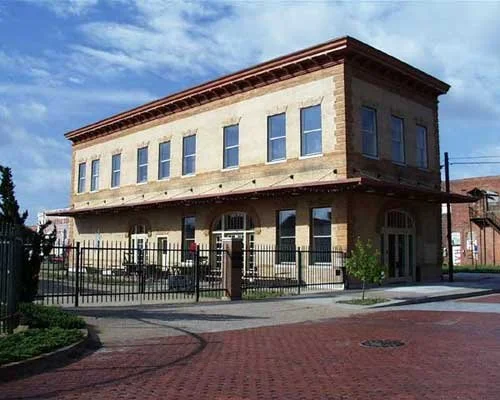
Depot Square
The Kemp-Kell Depot was constructed in 1909 and became the headquarters for Kemp & Kell railroads. In 1920, the railroad offices moved out of the building, paving the way for new offices to come in, including the American Express offices.
Over time, the Kemp-Kell Depot housed many different businesses. It was once a bus station, a hotel, a beauty supply store, and finally an Pioneer Furniture store in 1964. In 1974, half of the building was destroyed by a fire. The City of Wichita Falls purchased the building in 1977 with intentions of becoming the central historic structure in the downtown area. In 1992, the Wichita County Historical Society purchased the building from the city and soon started renovations. Through funds donated by WCHS members, the City of Wichita Falls, the Tom C. White Foundation, and a grant from the Texas Department of Transportation, the grand reopening of the Kemp-Kell depot occurred in 2000. Today, it currently holds the offices for Schenk, Schenk, & Haines